Explore deeper insights and discover what sets us apart.
Dive into our story, products, and vision for
the future. Get ready to know more!
Products
View More
Understanding Box Nails A Comprehensive Guide Box nails are a type of fastener commonly used in construction and woodworking. They are designed with a slender body and a flat head, making them an ideal choice for various applications, especially in framing and sheathing. This article will explore the characteristics, uses, and advantages of box nails, providing insight into why they are often pref
With its flexibility, convenience and versatility, the walk-in portable foldable pet playpen provides an efficient management scheme for pet owners. From indoor isolation to outdoor protection, this exercise pen not only meets the needs of pets' activities, but also improves the convenience of pet owners' lives. In the future, with the progress of material technology and intelligent design, the wa
The Versatility of a 120-Inch Tall Shepherd's Hook A 120-inch tall shepherd's hook is a striking addition to any garden, yard, or outdoor space. This towering structure, with its elegant curves and sturdy design, serves as a versatile tool for many gardening enthusiasts. From hanging bird feeders to decorative lanterns, the uses for a shepherd's hook are limited only by one’s imagination. This art
The Versatility of Gabion Cages A Sustainable Solution for Modern Engineering In the realm of civil engineering and landscaping, gabion cages have emerged as a versatile and sustainable solution for various applications. These wire mesh containers, filled with natural stones, have captured the attention of professionals and enthusiasts alike due to their robustness, cost-effectiveness, and eco-fri
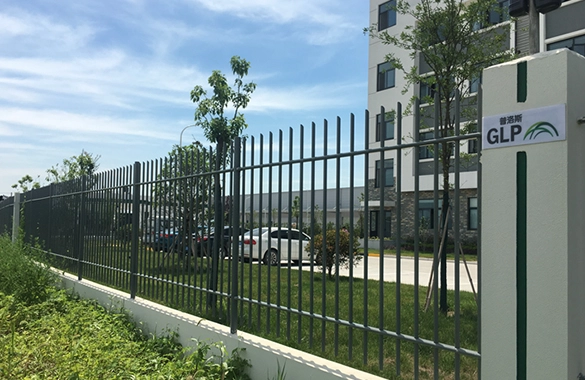
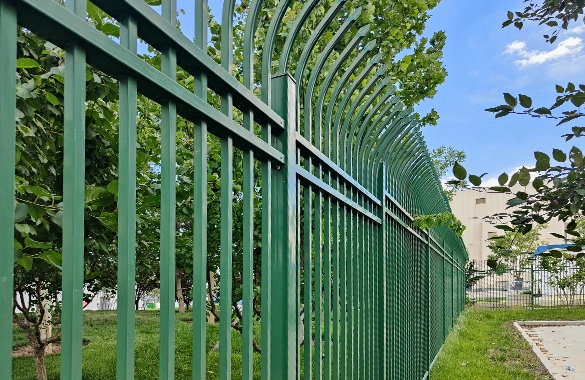
Understanding the Average Cost of Farm Fence per Foot When embarking on a farming venture, one of the critical aspects that require careful planning and budgeting is the construction of farm fencing. Farm fences are essential for a variety of reasons, including but not limited to securing livestock, delineating property lines, and protecting crops from wildlife. However, before setting out to put
1 2 inch coil roofing nails - छतको लागि एक महत्वपूर्ण सामग्री छतको निर्माणमा, विभिन्न उपकरण र सामग्रिहरूको महत्त्वको बारेमा कुरा गर्दा, कोइल रोफिङ नेलहरूको चर्चा अनिवार्य हुन्छ। विशेषगरी 1 2 inch coil roofing nails भनेको आर्किटेक्चर र निर्माणका लागि अत्यधिक प्रयोग गरिएको सामान हो। यी नेलहरूले छतको सामग्रीलाई सुरक्षित गर्नमा मुख्य भूमिका खेल्छन्। कोइल रोफिङ नेलहरूको खास विशेषता भनेको तिनीहरूको प्रा
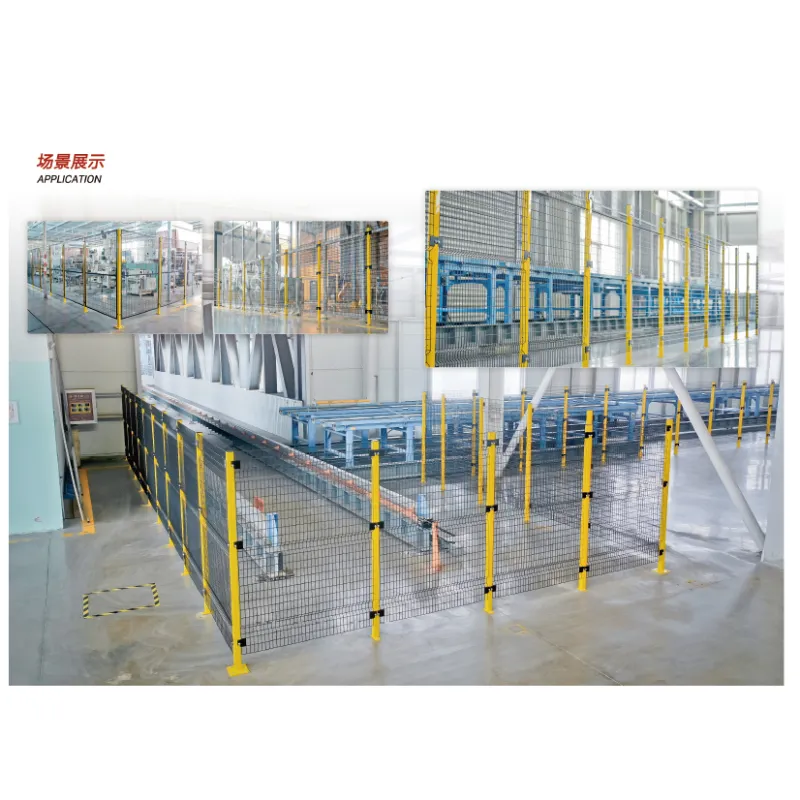
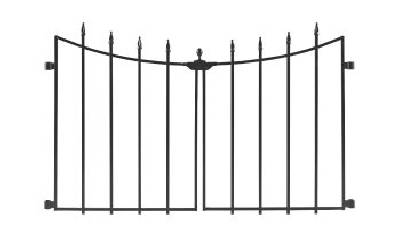
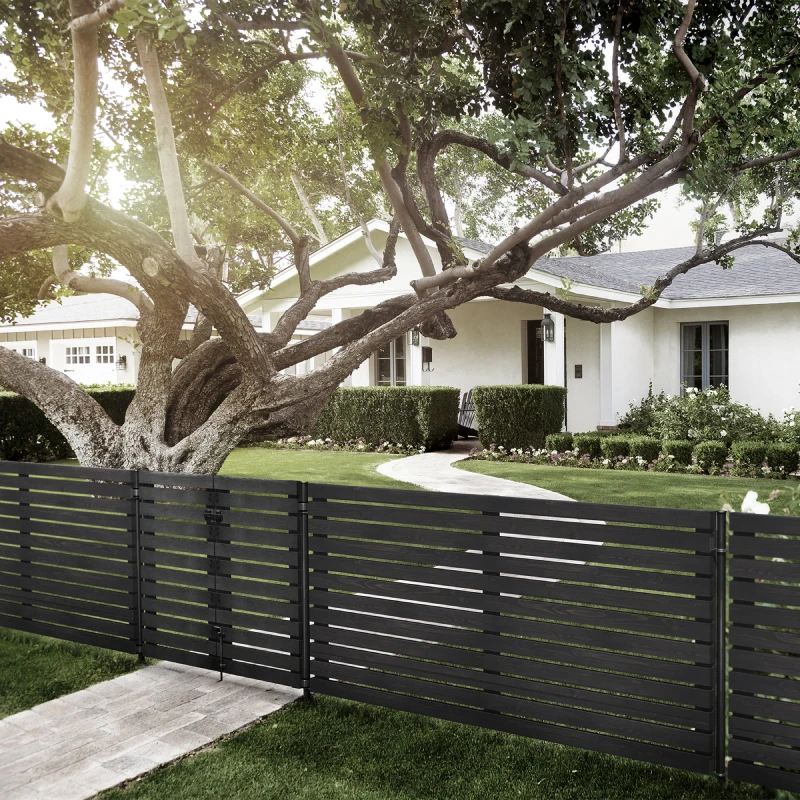
/Installing a Post Fence A Comprehensive Guide When it comes to enhancing the aesthetics of your property and providing a functional boundary, installing a post fence is an excellent choice. Post fences can serve many purposes, including marking property lines, providing privacy, keeping pets safe, and adding visual appeal to your landscape. In this guide, we’ll walk you through the steps necessary to install a post fence efficiently and effectively. Step 1 Planning Your Fence Before you begin, it's crucial to plan out your fence. Start by deciding on the location, style, and dimensions. Consider local building codes and homeowners’ association regulations, which may dictate certain heights, materials, or styles. Mark the corners and points of your fence line using stakes and string, ensuring that it will flow smoothly with your landscape. Step 2 Gathering Supplies Once you have your plan in place, gather the necessary supplies. You will need - Fence posts (wood, vinyl, or metal depending on your preference) - Rails (if applicable) - Fencing material (panels, chain link, etc.) - Concrete mix (to secure the posts) - Gravel (for drainage) - Level, measuring tape, and a string line - Tools like a post hole digger, shovel, and saw Step 3 Digging the Post Holes Using a post hole digger or auger, start digging holes for your fence posts. The depth of each hole typically should be about one-third the height of the post above ground. For example, if you want a 6-foot tall fence, your holes should be approximately 2 feet deep. This will provide stability and support for your fence. Space your holes according to the type of fence you’ve chosen. If you’re installing panels, posts are usually spaced 6 to 8 feet apart. For chain link or other types, follow the manufacturer’s recommendations. Step 4 Setting the Posts installing t post fence With the holes dug, it’s time to set your posts. Place a post into each hole, ensuring it is straight and aligned with your string line. Use a level to check that each post is vertically plumb. Fill the holes with gravel for drainage and then add concrete mix according to the manufacturer’s instructions. Allow the concrete to cure for at least 24 to 48 hours before proceeding to the next step. Step 5 Adding Rails (if applicable) For certain types of fencing, especially panels, you may need to install horizontal rails between the posts. Measure and cut the rails to fit snugly and attach them securely using screws or brackets. Ensure everything is level before finally fastening the rails in place. Step 6 Attaching the Fencing Material After the posts and rails are securely in place, it’s time to attach the fencing material. If you’re working with pre-made panels, simply lift each panel into place and secure it with screws. For chain link fences, unroll the material along the posts, attaching the chain link to the posts using ties or brackets as needed. Stretch it taut to avoid sagging. Step 7 Finishing Touches Finally, inspect your work and make any necessary adjustments. If you're finished with wooden fencing, consider applying a protective sealant or paint to enhance its lifespan and appearance. For chain link fences, you might want to add custom gate options or landscaping elements nearby to soften the harshness of the metal. Step 8 Maintenance After installing your post fence, the work isn’t done. Regular maintenance is key to ensuring its longevity. Inspect your fence periodically for any signs of wear or damage. For wooden fences, keep an eye out for rot or splintering. Repaint or reseal as necessary, and trim back any vegetation that may encroach on the fence's line. Conclusion Installing a post fence may seem like a daunting task, but with careful planning and the right tools, it can be a rewarding DIY project. Not only does it enhance the visual appeal of your property, but it also adds functionality. Following these steps will help ensure your fence is sturdy, stylish, and built to last for years to come. Happy fencing!

Annual export volume
0TEU
Export countries
0
Number of personnel
0+
Global subsidiaries
0
Explore deeper insights and discover what sets us apart.
Dive into our story, products, and vision for
the future. Get ready to know more!
Exploring the Leading Manufacturing Plants for Honing Technologies Honing is a crucial manufacturing process used to achieve precision dimensions and superior surface finishes on cylindrical parts like engine blocks, hydraulic cylinders, and other components requiring tight tolerances. As industries evolve, honing technology has adapted to meet new challenges, resulting in extensive advancements t
The Advantages of Foot Operated Hydraulic Cylinders In the ever-evolving world of industrial machinery, efficiency and convenience are paramount. One innovative solution that has gained traction in various applications is the foot-operated hydraulic cylinder . This simple yet effective mechanism combines the power of hydraulic systems with the ease of foot operation, making it an invaluable tool a
Hydraulic cylinders are the backbone of countless industrial applications, providing controlled mechanical force in equipment ranging from construction machinery to manufacturing lines. These devices convert hydraulic energy into linear motion, which is essential in applications requiring high precision and stability. When it comes to selecting high-quality mechanical hydraulic cylinders, there ar
Copyright © 2025 Hebei Minmetals Co., Ltd. All Rights Reserved. Privacy Policy